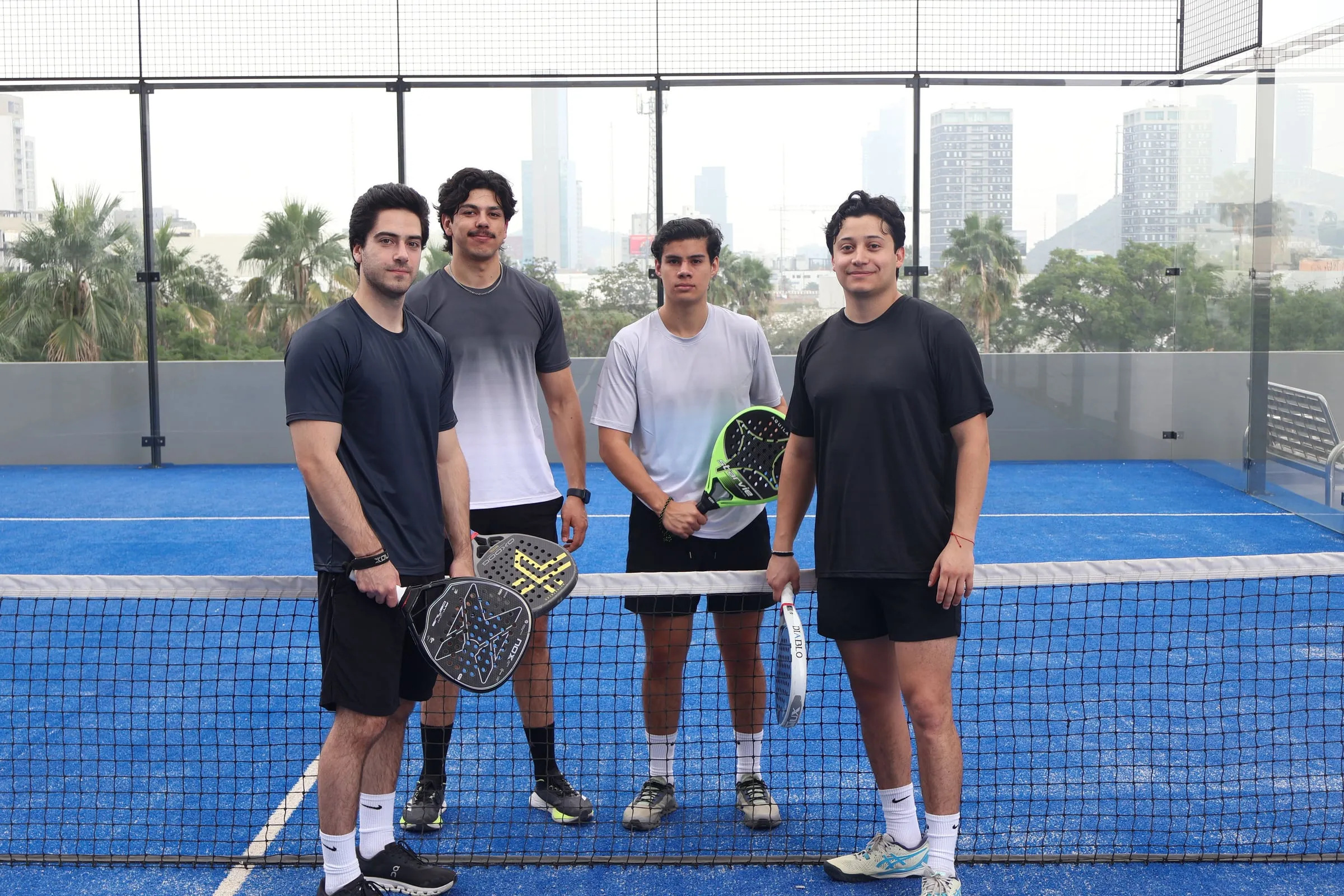
Sublimation vs DTF vs Screen Printing: Which Is Best for Team Uniforms
Sublimation, DTF and screen printing compared on durability, feel, colors and breathability, plus which one fits polyester sports shirts best.
When you order uniforms for your team, someone will ask: “sublimation, DTF or screen printing?” All three work and each has its place, but they don’t work equally well for everything.
Here’s how each one works, what it does well, and when it makes sense, with no hype. By the end you’ll see why, for polyester sports shirts, we work with sublimation.
How each method works
Sublimation
The artwork is printed with special inks onto paper, then moved to the fabric with heat and pressure. The ink doesn’t sit on top: it becomes part of the polyester fibers.
That’s why there’s no layer to feel, crack or peel. It only works on polyester, and it’s printed on light-colored fabric, so you start from a white shirt.
DTF (Direct to Film)
The design is printed onto a film, coated with an adhesive powder and transferred to the garment with heat. What you get is a layer of ink and adhesive bonded on top of the fabric.
Its big advantage is flexibility: it can go on cotton, blends and dark garments, and it suits small runs.
Screen printing
A screen (a stencil) is prepared for each color, and ink is pushed through it onto the garment. It’s the classic method behind printed tees.
It shines when you have few colors and many identical pieces. Every extra color means another screen, which makes complex designs more expensive.
Side by side
| Sublimation | DTF | Screen printing | |
|---|---|---|---|
| Durability | Very high: the ink is part of the fiber and doesn’t peel | Good, but it’s a bonded layer that can crack or lift with wear | Good when properly cured; depends on the ink and garment |
| Feel | No texture: you only feel the fabric | You can feel a layer, especially on large areas | You can feel the ink, especially on large areas |
| Colors | Unlimited: gradients, photos, all-over designs | Many colors and gradients | Few colors; each extra color is another screen |
| Breathability | Unaffected: the fabric breathes as usual | Reduced where it’s covered | Reduced where it’s covered |
| Best for | Polyester team wear, edge-to-edge designs | Single pieces, cotton or dark garments | Large runs with few colors, mostly on cotton |
What each one does well
It would be dishonest to tell you sublimation wins at everything. It doesn’t.
Screen printing: for 500 cotton tees with a one-color logo, it’s hard to beat on cost and durability. It’s a great fit for events, giveaways and work uniforms.
DTF: if you need five pieces with a detailed design on a black cotton shirt, this is your answer. It doesn’t ask for big minimums or screen setup.
Sublimation: it can’t print on dark fabric or cotton. If your garment isn’t light polyester, it’s not the method.
Why sublimation fits sports shirts
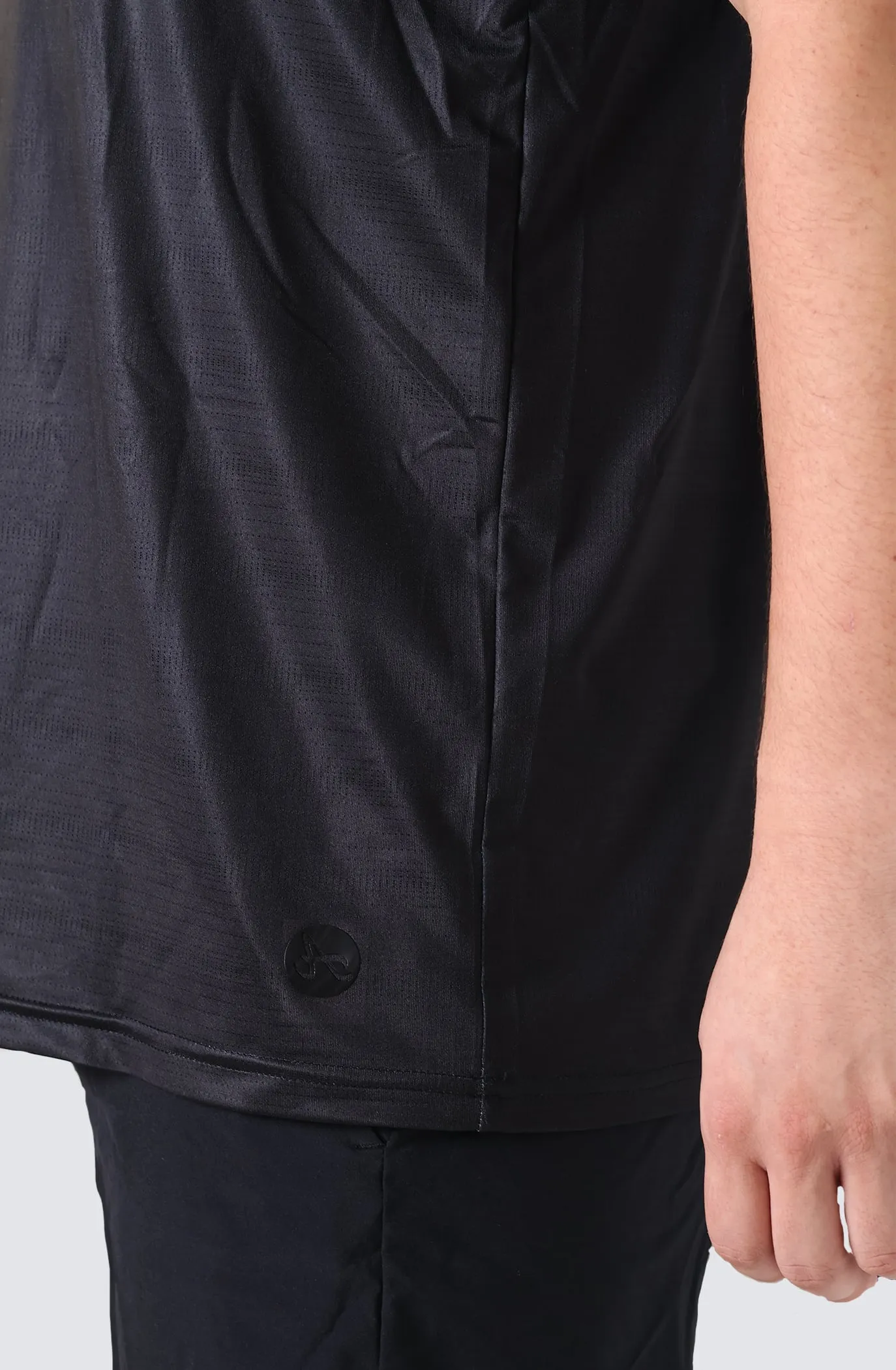
A sports shirt has a different job than a casual tee. It stretches, gets soaked in sweat, gets washed constantly and is worn over and over. Every one of those conditions favors sublimation.
The ink doesn’t get in the way of movement
With no layer on top, the fabric keeps its stretch. A layer of ink or adhesive stretches differently from the weave, and over time it can crease or crack.
The fabric keeps breathing
In a sports shirt, breathability is part of the product. With sublimation, even if the design covers the whole garment, the weave stays open.
Edge-to-edge designs, unlimited colors
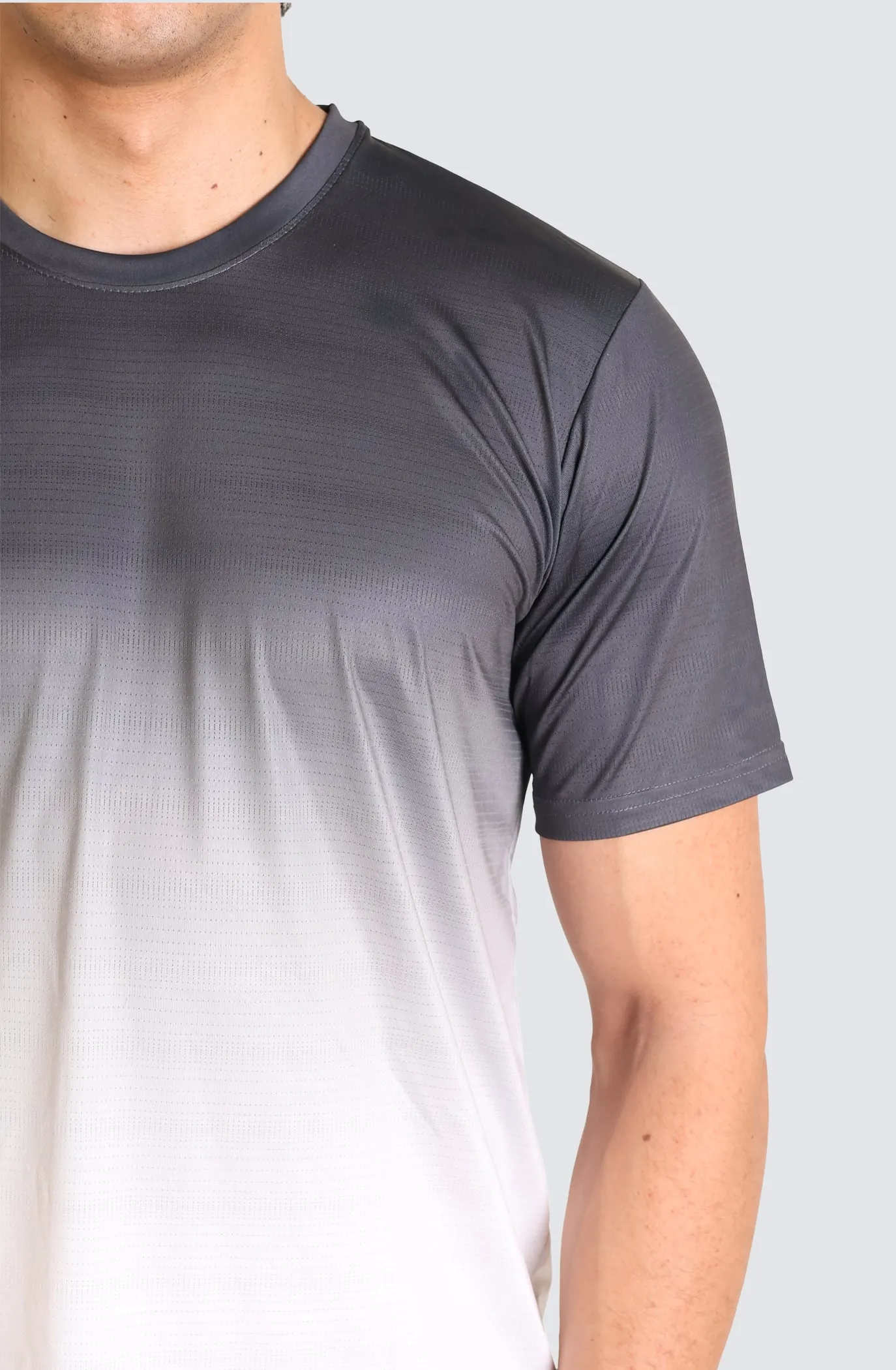
Team uniforms usually carry gradients, sponsors, names and numbers. With sublimation there’s no color limit, and the design can run across the whole shirt with no patches or seams interrupting it. That’s what makes it possible to do leagues with a different color per team, or designs split among sponsors.
It doesn’t peel or fade away
A uniform gets washed all season. When the ink lives in the fiber, there’s nothing to lift off. One caveat: ink quality, printer quality and fabric quality decide the result, which is why not all sublimated shirts behave the same. We cover that in why cheap sublimated shirts fall apart.
How to choose
Ask yourself three questions:
- What is the garment made of? Light polyester: sublimation is the best option. Cotton or dark: DTF or screen printing.
- How many colors does the design have? Many colors or gradients: sublimation or DTF. One or two: screen printing competes.
- How many pieces do you need? A few, all different: DTF. Many, all alike: screen printing or sublimation.
If your answer is “team shirts, polyester, with names, sponsors and colors,” you have your method.
What we do at Air Padel
We only do sublimation, on a single 100% polyester fabric: lightweight, stretchy, breathable, and it doesn’t turn see-through or wrinkle. We print on a white shirt with no color limit, including names, numbers and sponsor logos. See how we look after the details on our quality page.
If you already have your artwork or an idea, request a quote. The minimum is 10 shirts, and we send you a preview before we produce anything.